The ACT Isn’t Hard. It’s Fast.
Let me start with something that might sound insane:
Most students don’t do badly on the ACT because they don’t know the material.
They do badly because they run out of time.
I’ve been tutoring this test for a long time. I’ve worked with students who are brilliant, thoughtful, careful, and thorough — and who still walk out of the ACT feeling like they got hit by a bus.
Not because the questions were impossible.
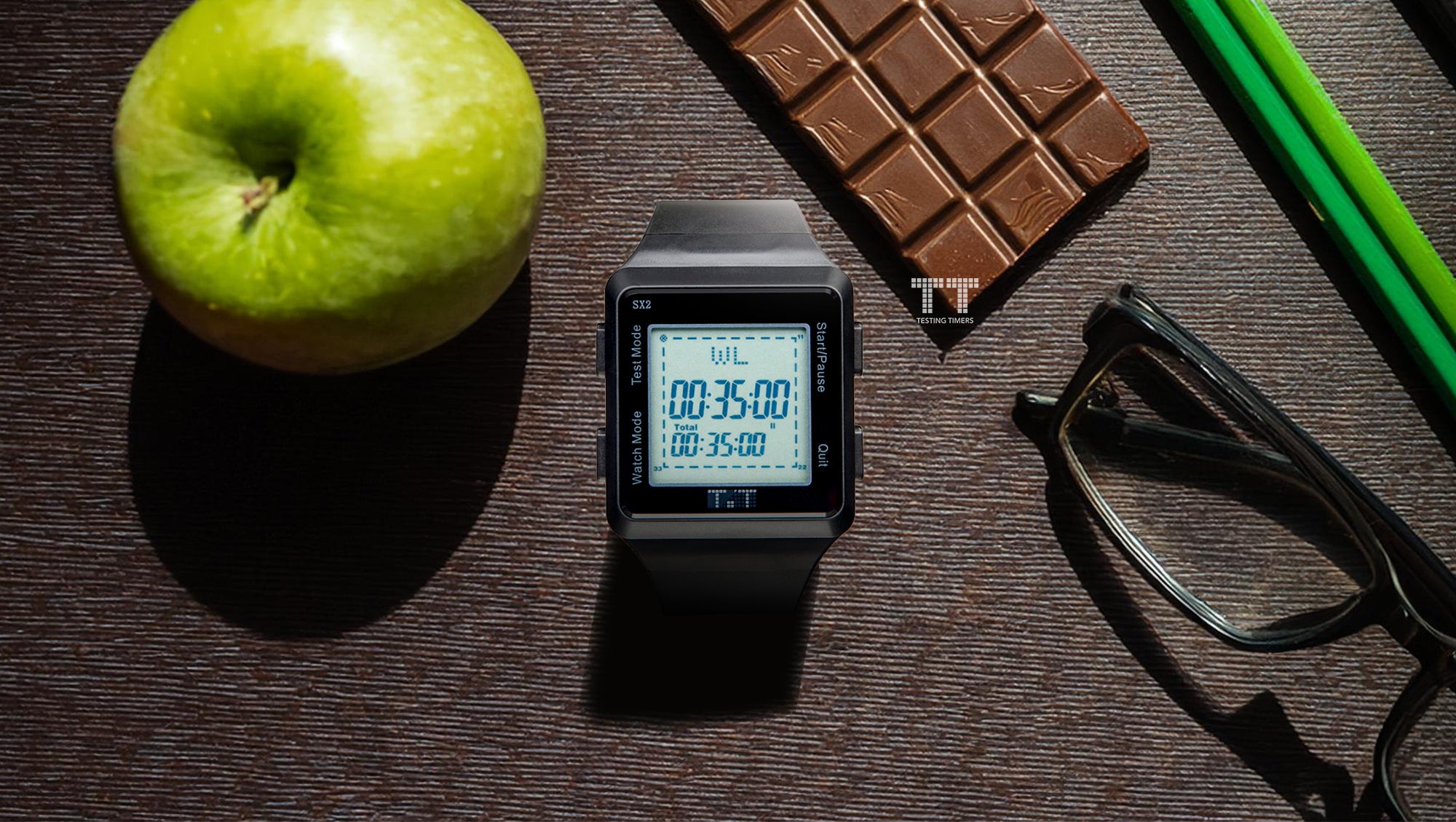
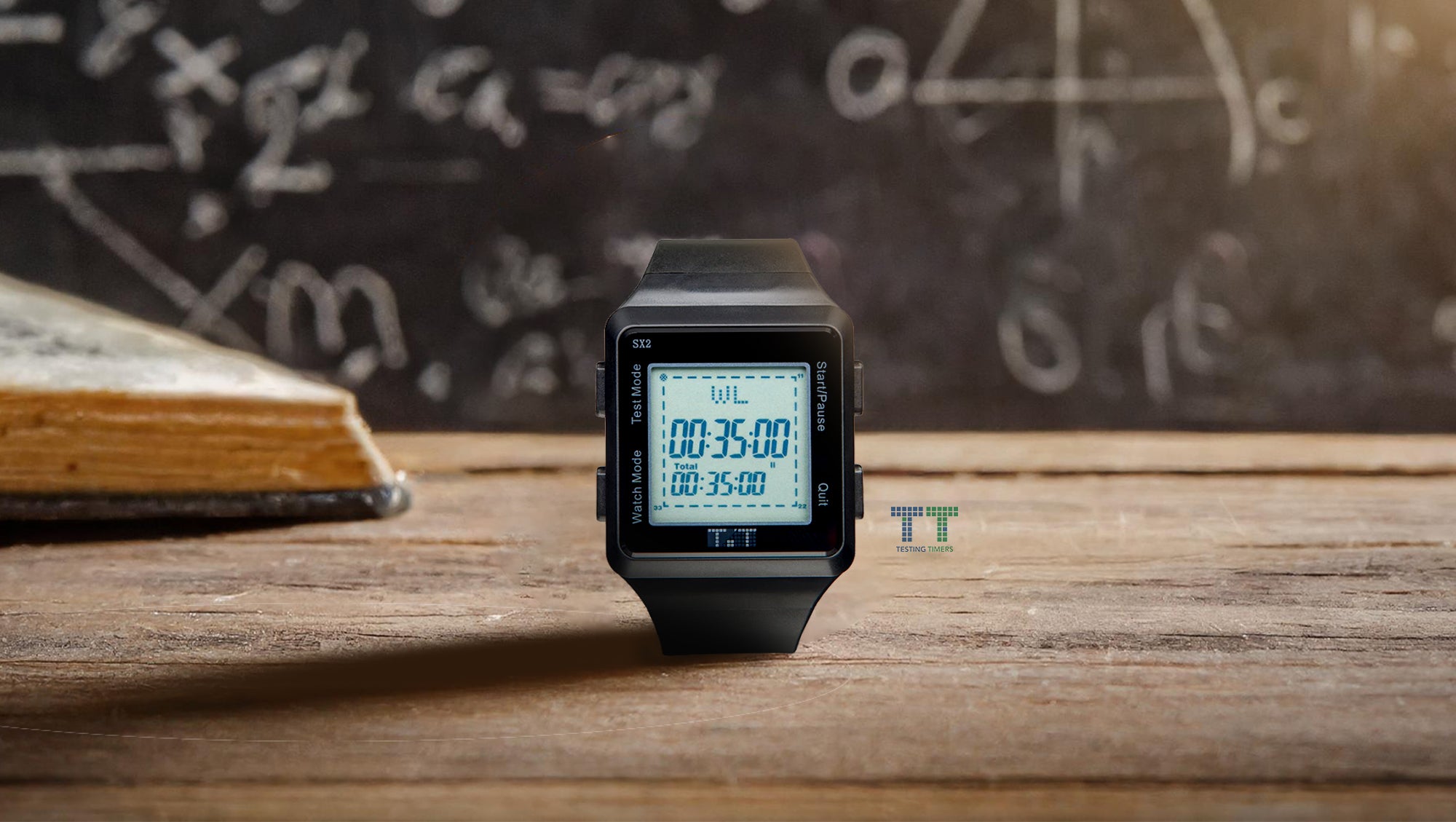
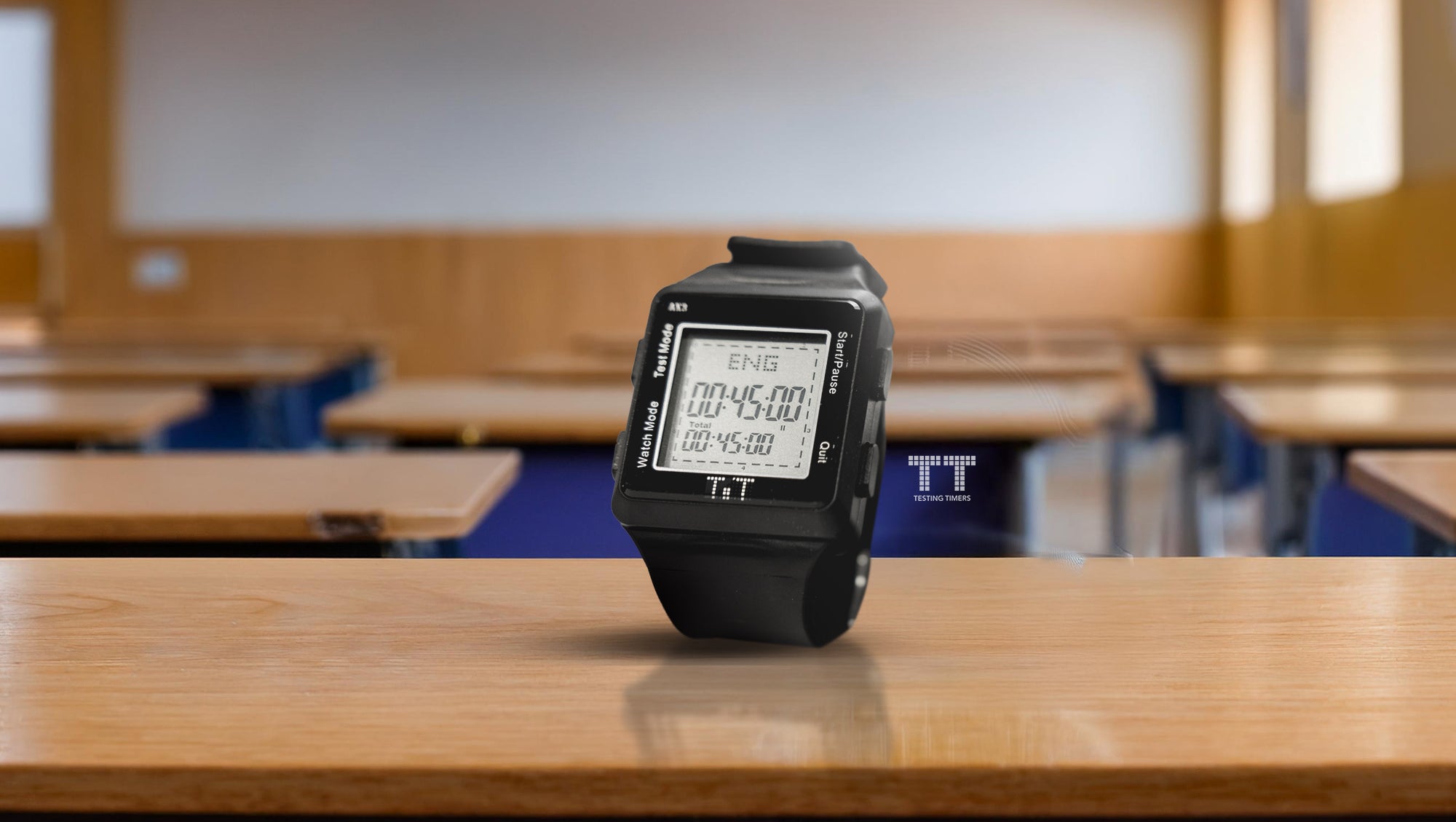
Because the clock is ruthless. If you want the easiest way to take control of your pacing without doing mental math, the Testing Timers ACT Watch is designed to handle the timing for you automatically.
The ACT Is a Speed Test Disguised as an Academic Test
The ACT doesn’t test how smart you are.
It tests:
-
How fast you can read
-
How fast you can recognize patterns
-
How fast you can decide
-
How fast you can let go of a bad question and move on
And yes — the new, enhanced ACT is still a time crunch. The structure changed, but the pressure didn’t.
Here’s what the timing actually looks like now:
The Real Timing Breakdown (Current ACT)
-
English: ~40 questions in 40 minutes → ~60 seconds per question
-
Math: ~46 questions in 60 minutes → ~78 seconds per question
-
Reading: ~40 questions in 35 minutes → ~52 seconds per question
-
Science: ~40 questions in 35 minutes → ~52 seconds per question
Let’s translate that into normal human language:
-
English: You get about a minute to read, analyze, and answer each question.
-
Math: You get a little more time, but the questions are harder and more multi-step.
-
Reading & Science: You get less than a minute to process information and answer each question.
That’s not “carefully think through every problem” time.
That’s “decide and move” time.
Why Smart Students Still Run Out of Time
Here’s the pattern I see constantly:
A student knows how to do most of the problems.
They’re accurate.
They’re careful.
They’re thoughtful.
They’re also slow.
They double-check everything. They reread. They overthink. They fight with one brutal question for three minutes.
And that one question quietly steals the time from three other questions they could have gotten right.
On the ACT, perfectionism is punished. That’s exactly the problem the Testing Timers ACT Watch was built to solve.
The ACT Is About Pacing, Not Just Content
The ACT rewards students who:
-
Know when to move on
-
Know what a “30-second question” feels like
-
Know when they’re behind schedule
-
Know when they’re ahead
Most students don’t.
They’re guessing where they should be.
They’re checking wall clocks.
They’re doing mental math like:
“Okay… I think I should be around question 23… maybe?”
That mental overhead costs points.
Why Timing Is the Hidden Skill No One Teaches
Schools teach:
-
Grammar rules
-
Algebra
-
Reading strategies
-
Science reasoning
They don’t teach:
-
How fast you should be moving
-
When to bail on a question
-
How to maintain pace under stress
-
How to know instantly if you’re ahead or behind
But that’s the real game.
Two students with the same academic ability can score 5–7 points apart purely based on pacing and decision-making.
This Is Exactly Why We Built the Testing Timers Watch
If you’re:
-
Checking the wall clock
-
Guessing where you are
-
Doing time math in your head
…you’re wasting focus and energy that should be going into answering questions.
The Testing Timers watch:
-
Tracks exact section timing
-
Shows you where you should be at any moment
-
Eliminates mental overhead
-
Lets you focus on one thing: the question in front of you
It doesn’t make you smarter.
It makes you faster, calmer, and more strategic.
The Big Truth About the ACT
The ACT is not about:
“Can you solve this problem?”
It’s about:
“Can you solve enough problems, fast enough, under pressure?”
That’s a completely different skill.
And once students start training with pacing in mind, their scores jump — often without learning a single new math or grammar concept.
If you’re serious about maximizing your ACT score, this is the single easiest upgrade you can make to your test-day setup.